Lisbon, tram 28 at dawn
The first app on webE
khensu.nu
webE, private by design. Post-quantum.
Run profitably by the people.
The first app on webE
A messenger with no company in the middle. Because there isn’t one.
khensu.nu runs on a network of small computers in people’s homes, not on a company’s servers. No one can read what you send, see who you send it to, or switch it off. It is the first app on webE, a people-run internet that sits on the one you already use.
Highlights
Post-quantum, end to end
Every message, call and payment uses encryption built for the age of quantum computers. Not an option you switch on. The only way it works.
Nobody sees who talks to whom
Not the network, not the people who run it, not someone watching the whole internet. Your phone looks the same whether you’re talking or not, and the relays carrying you keep switching, so none of them sees a whole conversation.
Feeds, forums and sites
Follow people, join forums, publish a site and stream live, on the same private network. Posters sign what they publish; readers stay anonymous.
Pay privately
Send money in a chat with the amount hidden and no lasting record. The same payments keep the network running.
Private AI, only for you
Search, summaries and answers run on your own device. There are no AI nodes or servers for your data to leak to. We can’t sell your data because we don’t have it. Only you do.
Runs on any connection
Fibre, cable, 5G, satellite. And where there’s no internet at all, nearby nodes reach each other directly.
App design
Feels like iOS. Because it is.
Built only from Apple’s own Liquid Glass controls on iOS, iPadOS and macOS 26, so it looks like it shipped with your iPhone. Scroll through the screens.
Chats
AllPeopleGroupsChannels- IIsisReacted ❤️🔥 to “Bail is dinner Friday.”
- HHathorBold of you to text first.
- AAdaLisbon moved to 12–19 May
- PPtahNew icon set is up. You’re welcome.
- OOsirisVoice note · 0:42
- EElliottSent you 42 · shielded
Chats
Liquid Glass, stock iOS 26 controls, folders and disappearing messages.
- IIsis
Post-quantum end-to-end encrypted
You left your hoodie here. It’s mine now.Bail is dinner Friday.9:31❤️🔥Door code’s 4471. Try to be charming. 2h leftShielded payment42Hidden amount · no lasting recordFor the wine. Charm isn’t free.9:38Isis is typing…
MessageConversation
Messages, voice, files and shielded payments in one thread.
Feed
For youForumsSitesLiveAada.khensu.nu· 2h Lisbon, tram 28 at dawnLIVENode operators· 3.1k watching Ask us anything: running a node at homeMforum/makers· Mara Printed a stand for the shell. Files on my site, mara.khensu.nu
You read anonymously. Posters sign what they publish.
Feed
People, forums, sites and live streams. Signed posts, anonymous readers.
- AAdakhensu call · 04:12 Post-quantum · relays change as you talkSpeakerCameraMuteAddMessageEnd
Calls
Post-quantum voice and video. The route changes as you talk.
Ask khensu
When is the Lisbon trip?Private AI on this iPhone
12–19 May. Ada moved it a week on Monday, and you booked a flat near Cais do Sodré.
- Chat Ada: Lisbon moved to 12–19 May
- Chat Flat booked near Cais do Sodré
- Note Flights on hold until Friday
Only you have your data. No AI servers, nothing to leak.
Ask khensu
Local private AI for you alone: recall anything you’ve been told, with sources. No AI servers ever see it.
Wallet
Shielded balance••••• Only you can see it- EElliottSent · shielded
- AAdaReceived · shielded
Your nodeOnline for 6 daysCarrying traffic for people nearbyWallet and node
A private balance, and the node that carries traffic for people nearby.
Stealth by default
Every phone keeps the same quiet rhythm, all day. Typing, idle or asleep, it looks identical from outside. Even connecting looks like visiting an ordinary website.
And it’s light on battery. Each beat is one small, fixed-size burst every 2 seconds while the app is open, so the cloak costs little power. It never slows down to save more: not in Low Power Mode, not at 5%. A phone that went quiet when its battery ran low would stand out, so the rhythm stays exactly the same however low it gets.
And the path keeps changing. The relays carrying your messages, calls and streams switch at random while you use them, each on its own clock, so no relay and no one watching a few of them ever sees a whole conversation.
There is no setting to turn this off. Privacy you can switch off is privacy someone can make you switch off.
Built for 10 billion
Ten billion people a day. And beyond.
khensu.nu is built to carry 10 billion people a day on about 6 million small computers, or 2 in every 100 people running a node on ordinary home broadband. There is no central server to outgrow: every node that joins adds capacity, so the network keeps scaling past that without limit.
A single Raspberry Pi 5 does its share. An old or unused phone does it even better, and more profitably: you already own it, so there’s nothing to buy and what it earns is yours from day one. Your laptop or desktop can run one too, in the background while you work, using 50% or less of its idle processing power.
- 10 billion
- people a day, on about 6 million nodes, and it keeps scaling as more join
- 1,700
- people a day on one Raspberry Pi 5, sharing half of a gigabit fibre line
- 3,400
- people a day on an old iPhone 15 Pro in node mode, sharing half of 2 Gbit fibre over Wi-Fi 6E, past where a Pi 5’s gigabit port tops out
Engineering estimates from the protocol design: 1 hour of app use per person per day, about 2.5 Mbit/s of node capacity for each open phone at peak, each node sharing half its connection. Real capacity depends on connections and use, and is measured as the network grows. iPhone is a trademark of Apple Inc.
How it’s paid for
No ads. No data sold. No mining.
People who want more pay a small subscription, privately. That pays the people who run the network, in proportion to the work they can prove they did. Nobody pays for your attention, because nobody gets it.
- 01
You pay for more, privately
Messaging is free. Bigger files and more storage come with a small subscription, through the App Store, the web or the token. What you pay is never linked to what you do.
- 02
Subscriptions fund the network
A fixed share of every subscription buys and burns the network’s token. The network pays out new tokens only for verified work, so more use means more income for operators.
- 03
Operators earn for real work
Forwarding, storing and serving, proven by receipts that can’t be linked to anyone. A Pi uses about as much power as a light bulb.
Not an offer of securities or a promise of earnings. Pricing and token details are subject to legal review.
Runs on any link
Works from anywhere. Even an ET base.
A boat, a castle, a farm estate, the city or the slums, a private lab, a plane, a spaceship or an ET base. A node needs a connection and a power socket, nothing more. One on satellite internet, such as Starlink, is a full node: it relays, stores and earns like any other. Where there is no internet at all, nodes and shells within a kilometre or so reach each other directly and carry messages hop by hop.
- Fibre and cable
- 5G home internet
- Satellite internet
- Node-to-node mesh, no internet
Starlink is a trademark of SpaceX. Named only as an example of satellite internet; no affiliation or endorsement.
khensu shell
Your phone becomes part of the network.
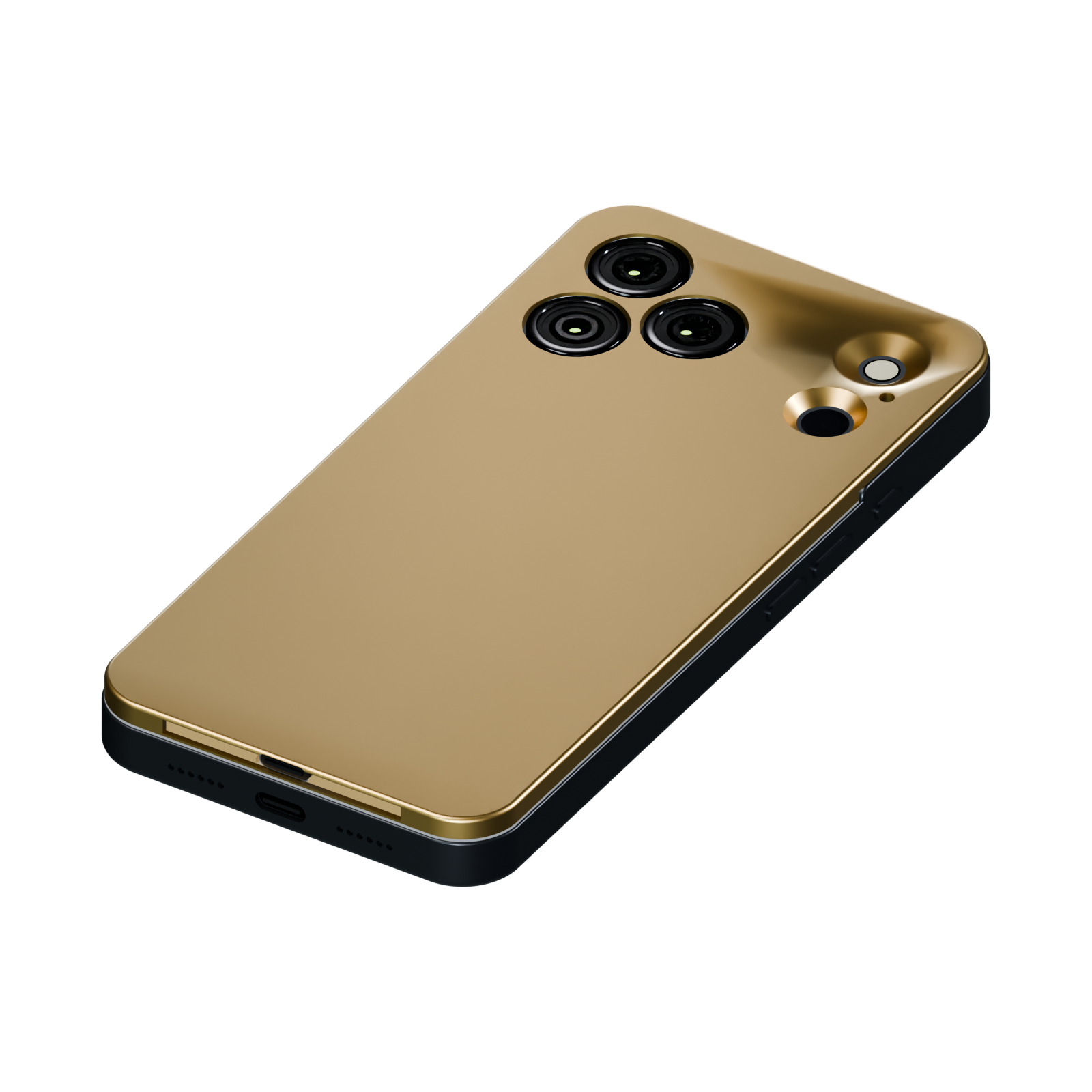
A battleproof titanium shell for iPhone 18 Pro and iPhone 18 Pro Max, coming to iPhone 18 when it arrives, CNC-machined for a precise fit to the phone’s own curves and finished to match it, that turns the phone into a node. It carries traffic for the people around you, keeps your messages flowing when Apple’s push service can’t be trusted, and earns while it works.
- Flat
- one flat back, no camera bump, only the lenses showing
- 6 Wh
- its own battery, about 5 hours as a node on its own
- USB-C
- charges the shell and passes power to your iPhone

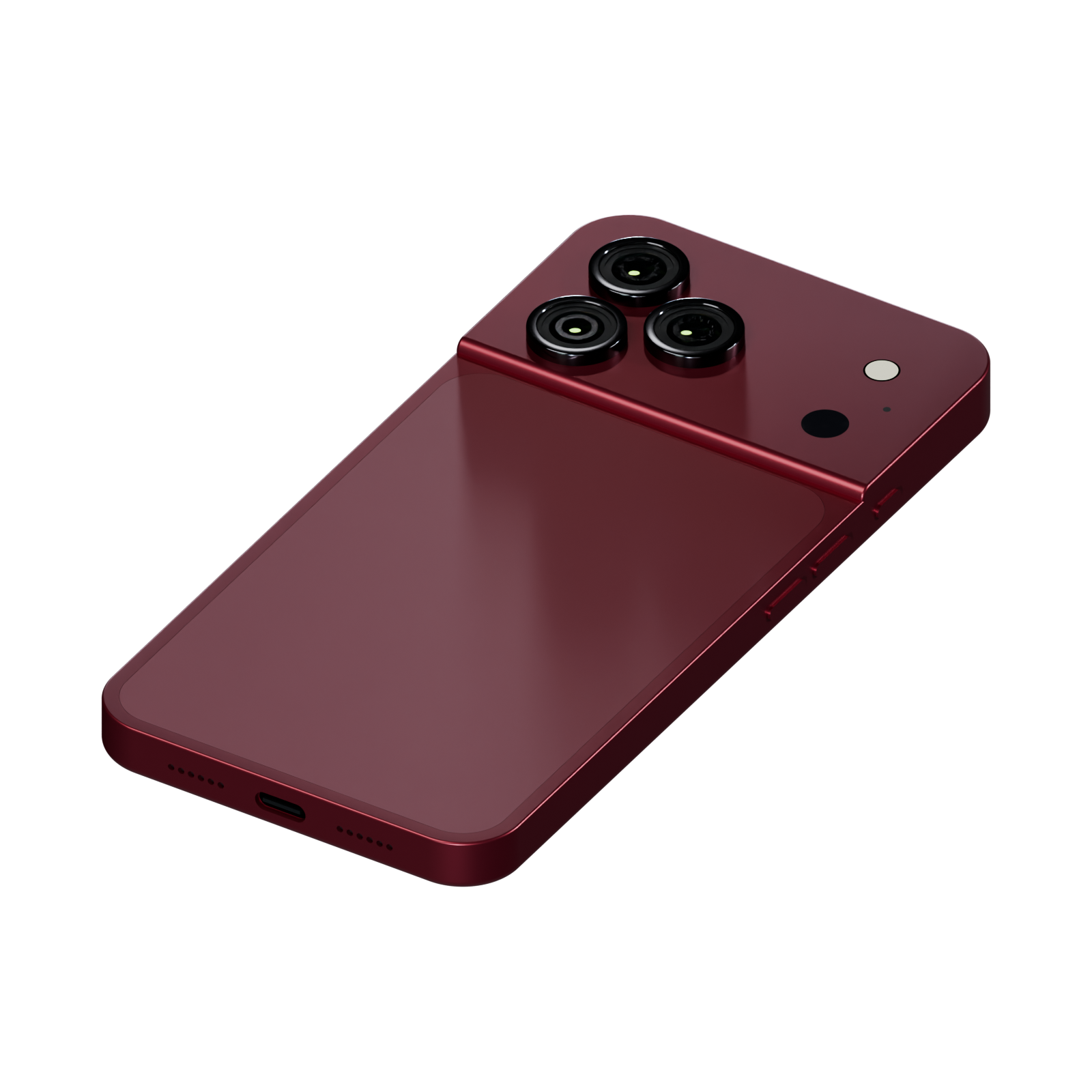
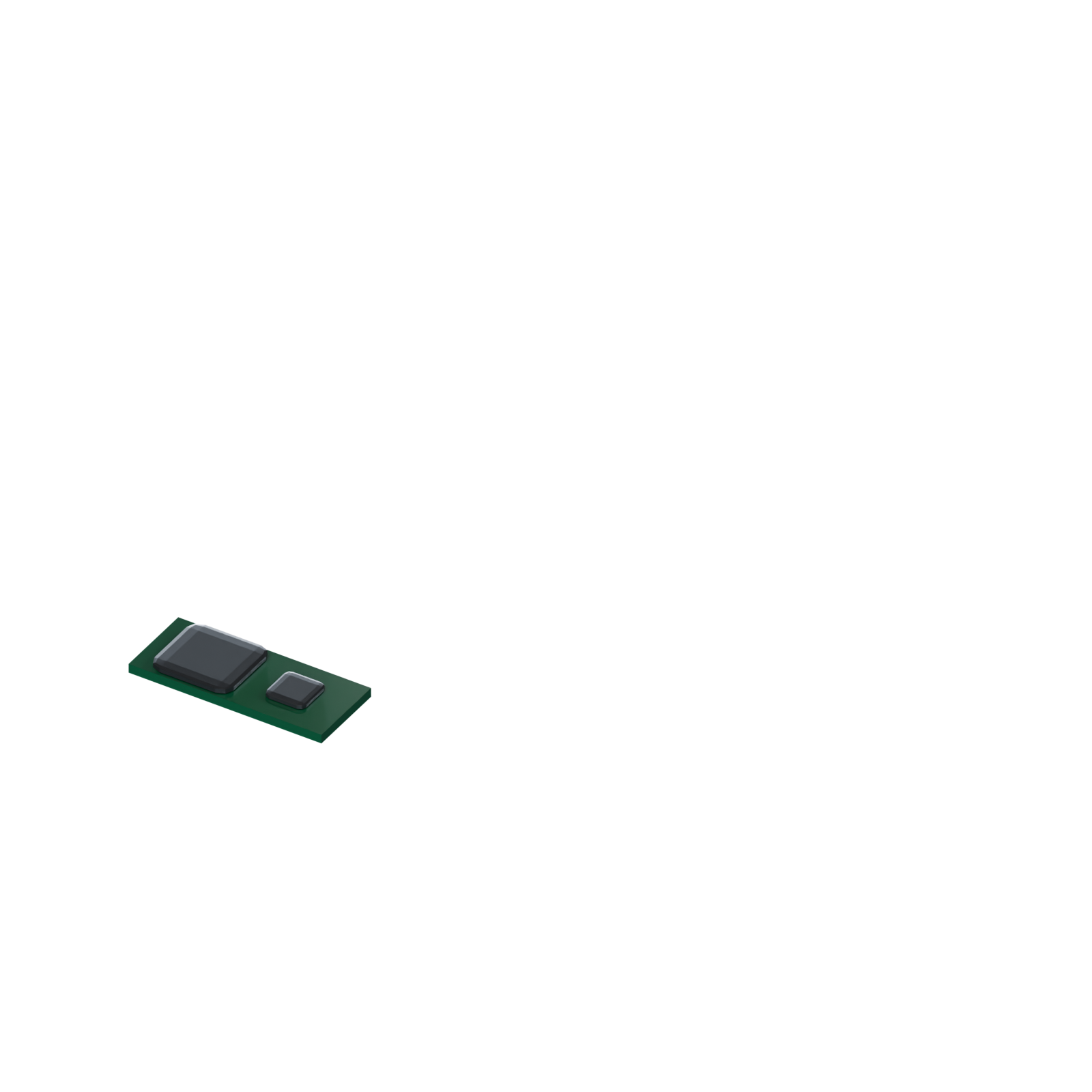
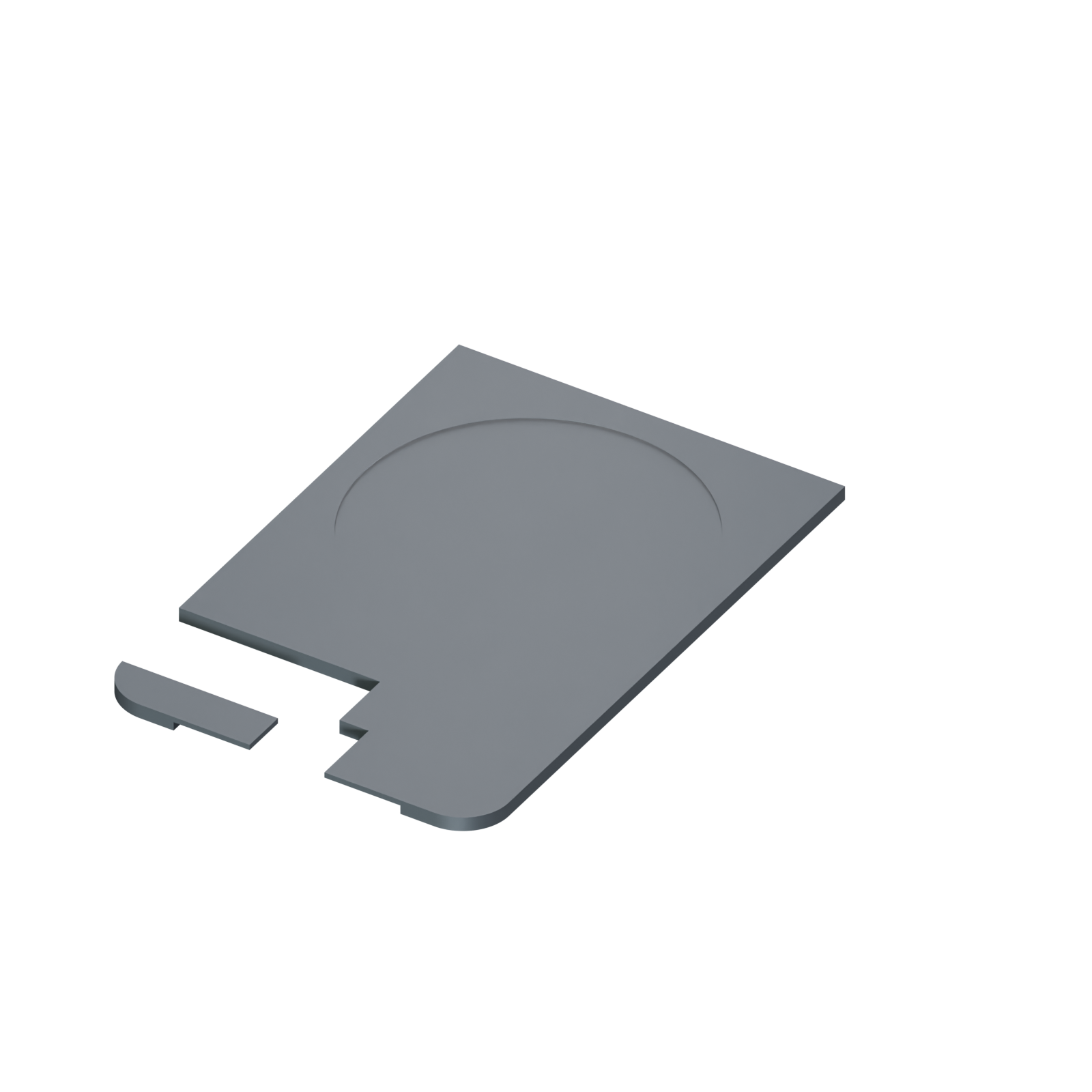
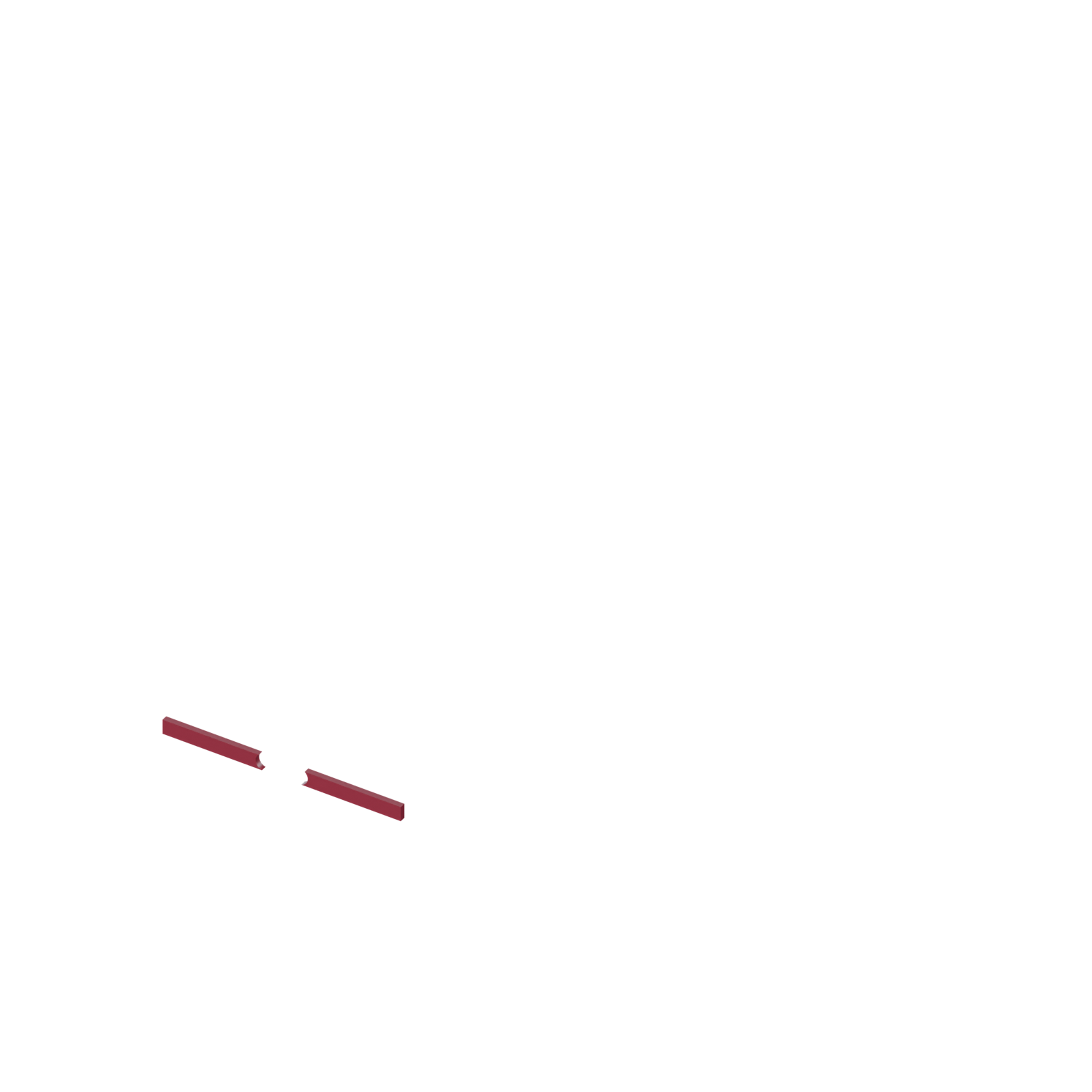
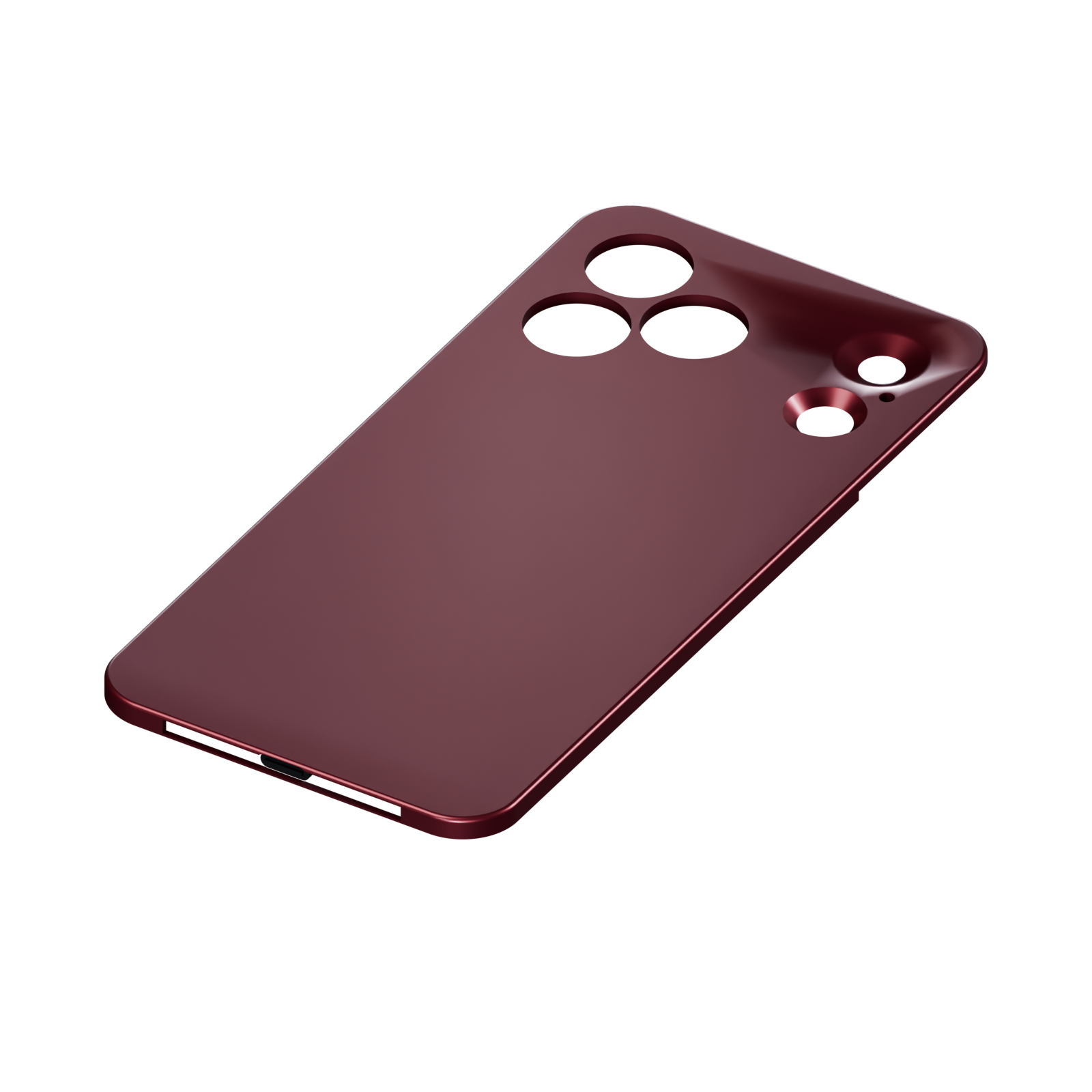
Side view
No thicker than your iPhone. The camera already set the line.
Your iPhone is already as thick as its camera. The khensu shell finishes exactly level with the lenses and never goes past them, so the back turns flat and the phone is no thicker at its thickest point than before. The bump goes away; nothing is added on top.
Each shell is CNC-machined from titanium for a precise fit, following the iPhone 18 Pro’s own edge curve, so the shell picks up where the phone’s edge leaves off. No step, no lip, one seamless shape.
- +0 mm
- at the iPhone’s thickest point. A flat back, with only the lenses showing.
Rendered to scale from the CAD model on placeholder iPhone 18 Pro geometry until Apple’s accessory drawings are available. Thickest point means the phone at its camera lenses. iPhone is a trademark of Apple Inc.
Designed for iPhone 18 Pro and Pro Max
Your colour. Or solid brass.
Matte powder-coated titanium in every iPhone 18 Pro and Pro Max finish, so it looks like part of the phone and doesn’t show fingerprints. Or bare brass, a copper alloy that kills bacteria on its surface and never rusts. Either way the back is flat, with no camera bump: only the lenses, the flash and the sensors show through.
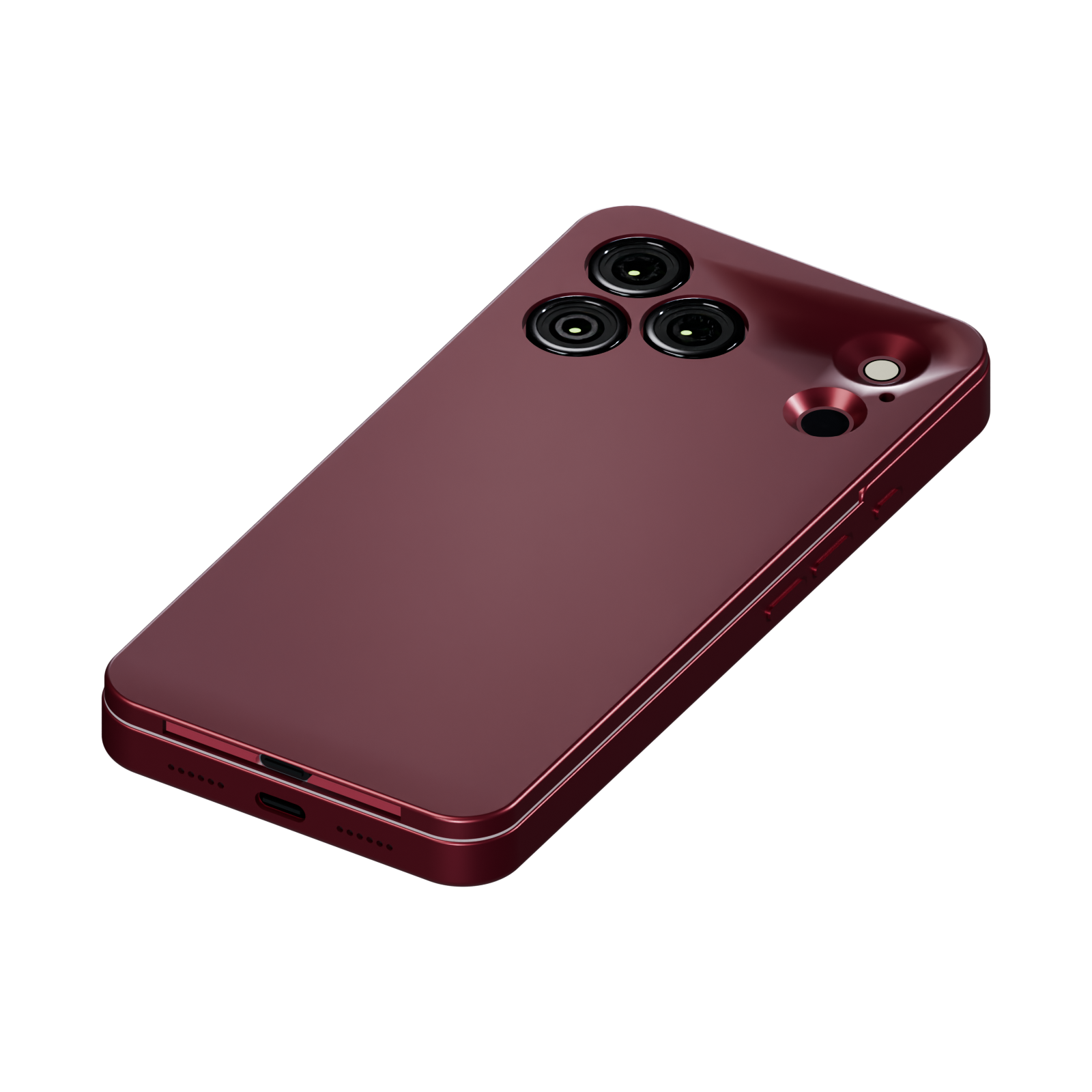
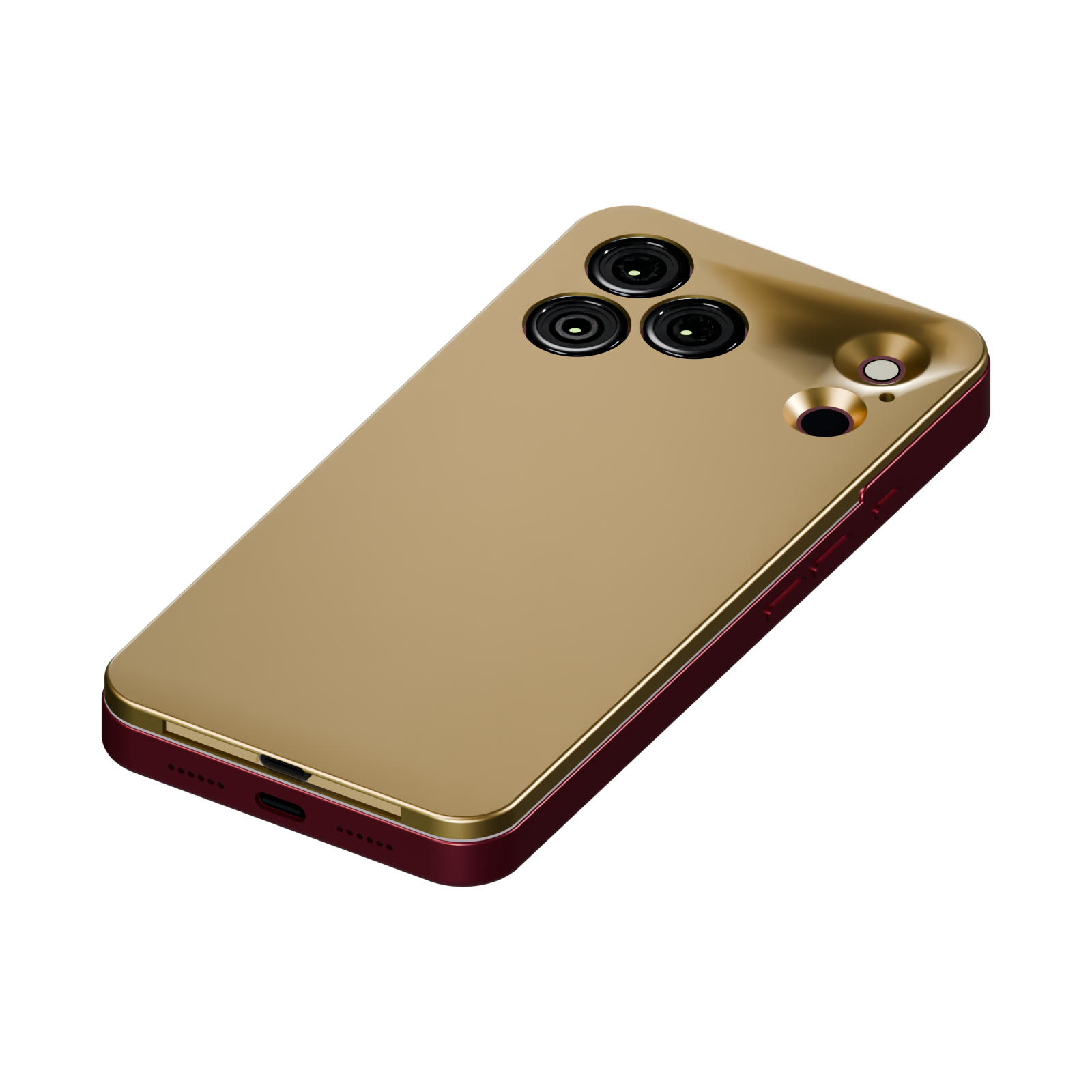
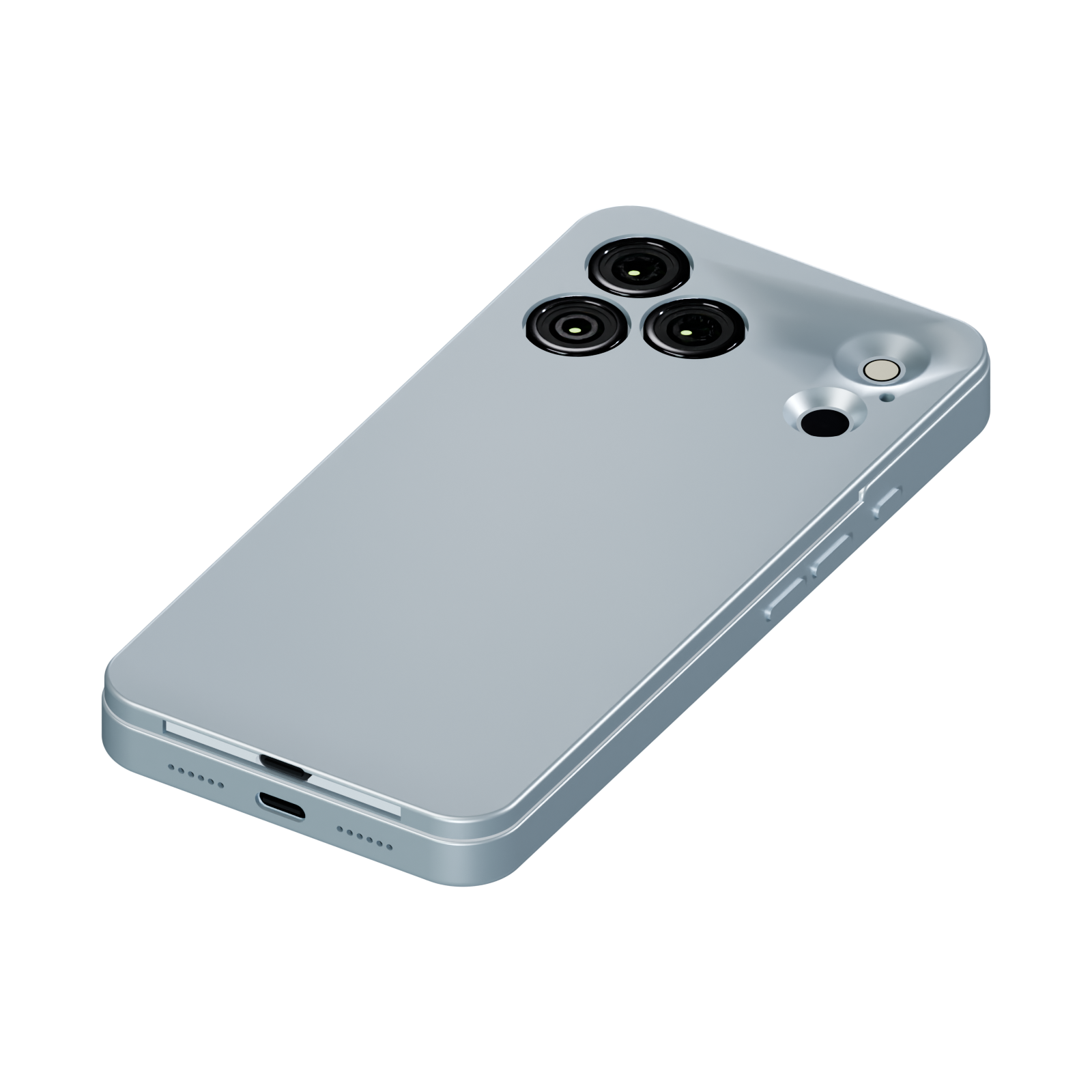
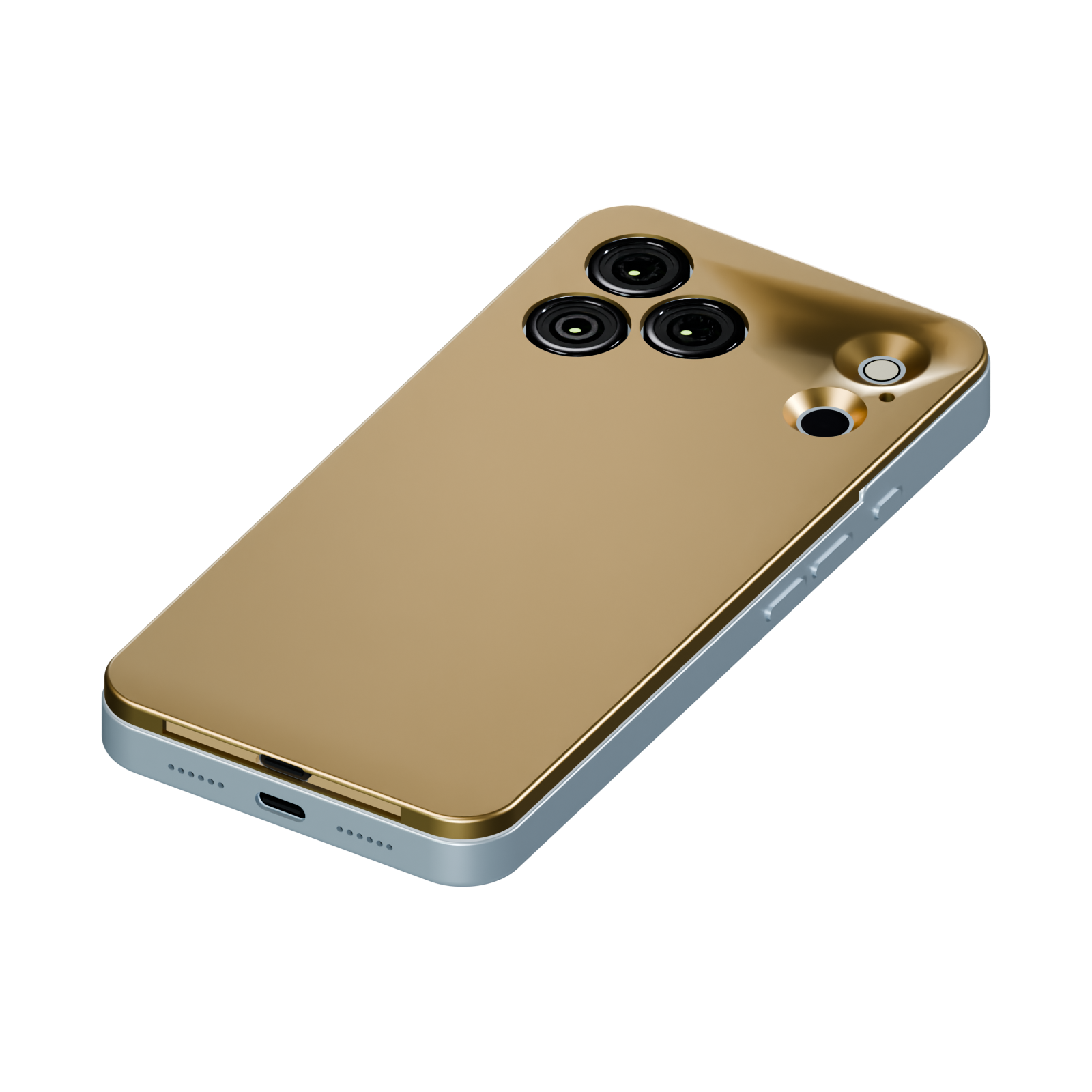
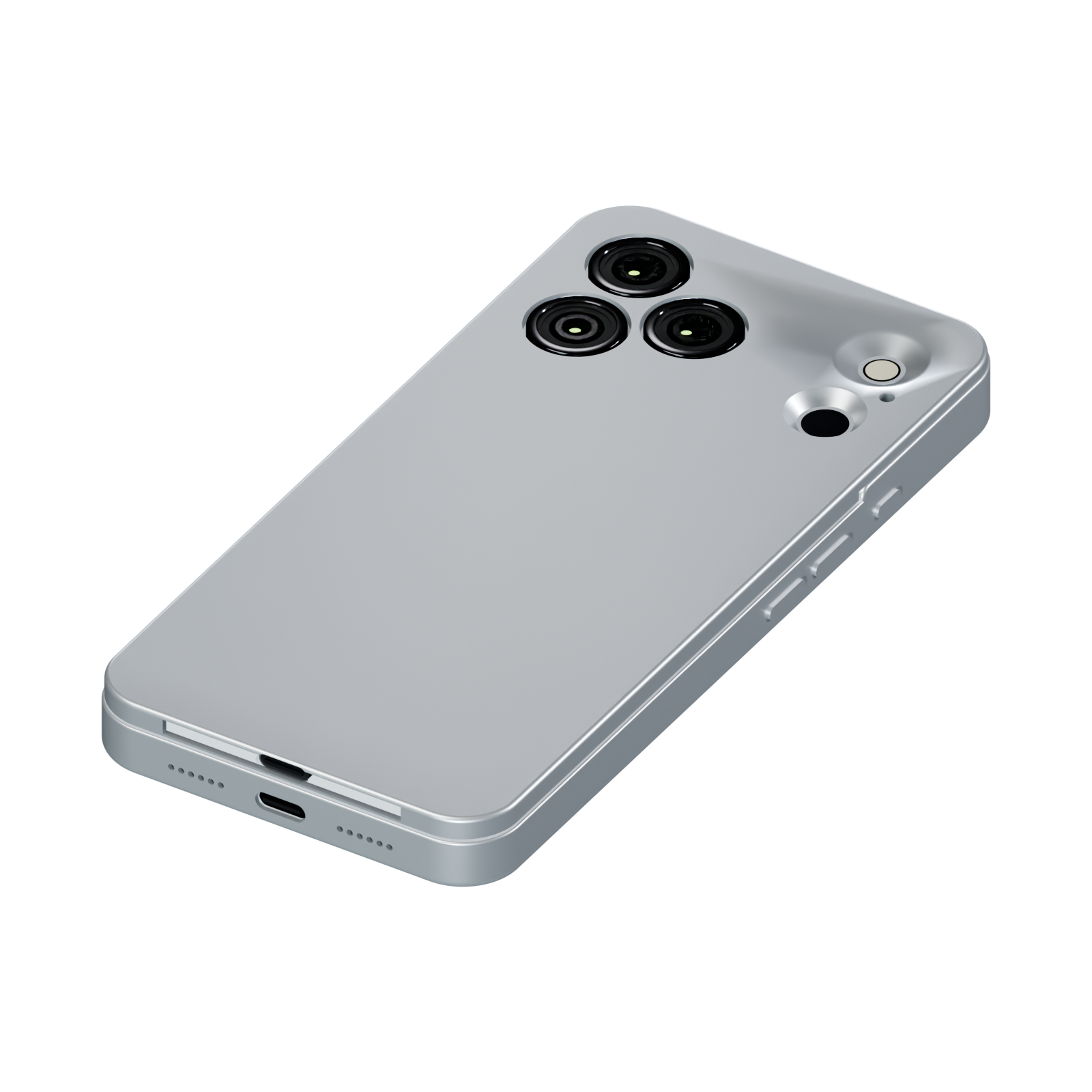
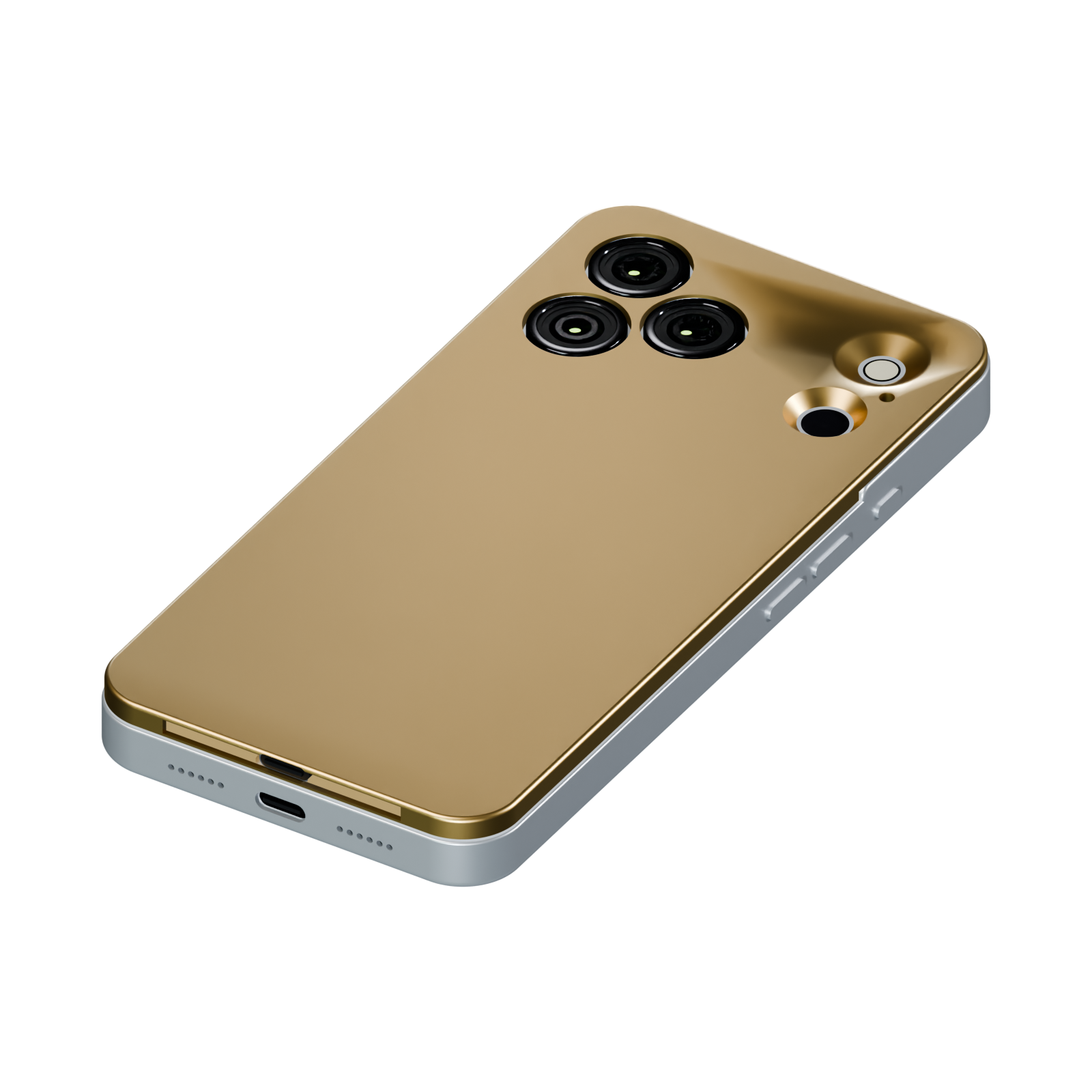
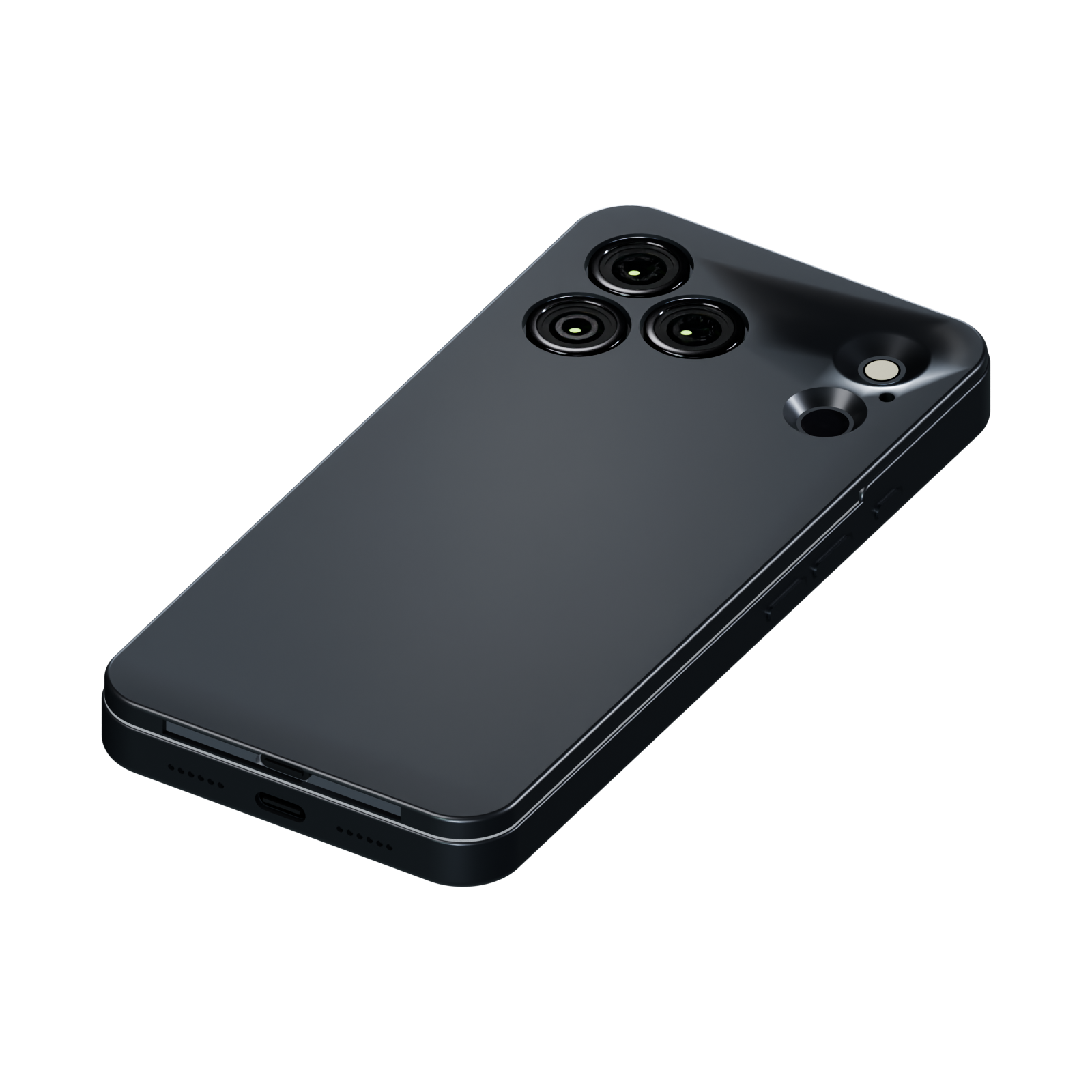
iPhone
Shell
Renders from the CAD model on placeholder phone geometry until Apple’s accessory drawings are available. Brass is heavier than titanium (about 126 g against 87 g) and darkens to a natural patina over time; it is left uncoated, since a coating would stop it working on germs. Brass still needs regular cleaning, like any surface. iPhone is a trademark of Apple Inc., registered in the U.S. and other countries; finish names are Apple’s. Not affiliated with or endorsed by Apple.
One shell
+0 mm
Level with the lens tops, so your iPhone is no thicker at its thickest point.
6 Wh
Its own battery: about 5 hours as a node on its own.
87 g
In titanium. Solid brass is about 126 g.
USB-C
Charges the shell and passes power to your iPhone.
One model for iPhone 18 Pro and Pro Max, coming to iPhone 18 when it arrives, in your iPhone’s colour, matte titanium or solid brass. Figures for iPhone 18 Pro from the current CAD model; production figures may change. It clears every lens, flash and sensor.
webE
An internet run by the people who use it.
The same network that carries your messages carries feeds, forums, websites and live streams. It speaks HTTPS, so it works wherever the web does, and everything on it is post-quantum. Public posts carry their author’s signature, so you know who said it. Reading leaves no trace, so nobody knows who read it.
webE isn’t the next version of web2 or web3. It doesn’t build on either, so it doesn’t take the next number. We changed the letter instead: a different kind of web, run by the people who use it, private by design.
- Messages and callsPrivate by default, one to one and in large groups.
- Feeds and forumsFollow people and communities without an algorithm owning you.
- SitesPublish at your-name.khensu.nu, hosted by the network.
- LiveStream to a room or a crowd, with the route changing as you go.
Run a node. Be part of the network.
A Raspberry Pi 5, a Mac, or an old iPhone on Wi-Fi. Tell us you’re in and we’ll get you set up.